


Project Entropy
3.91.15K Reviews
App Specs
- Version
- 1.46.0
- Updated On
- License
- Free
- Downloads
- 1,000,000+
- Developer
- FunPlus International AG
- Categories
- Strategy
- Platform
- Android, iOS
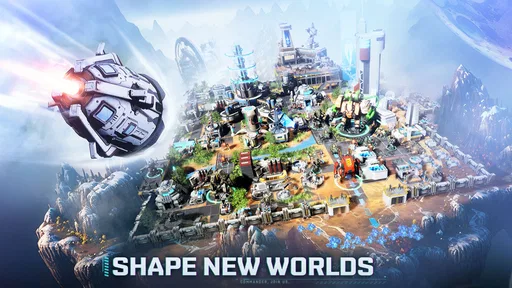
Screenshots

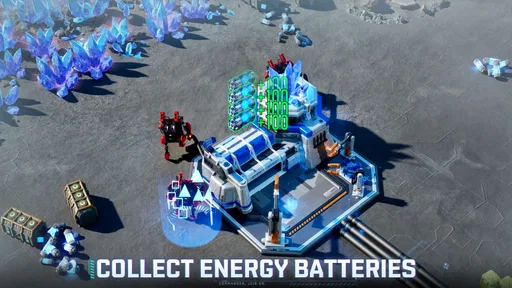
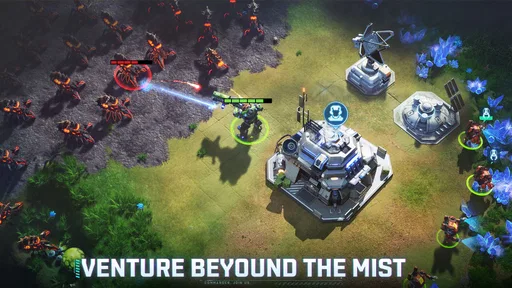
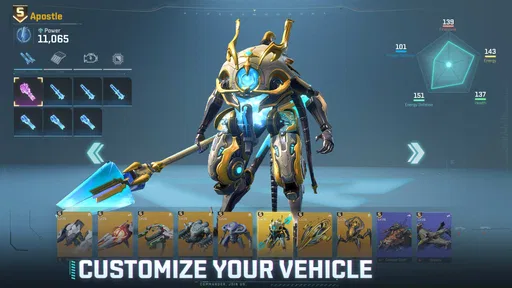
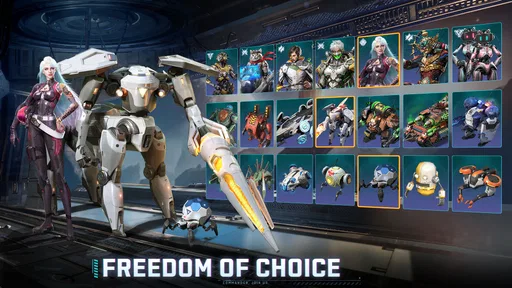
 Analysis by AppCompare
When I consider a strategy game for a shared phone or tablet, I look beyond whether it can fill a spare moment. I want to know whether people can take turns without muddling one another’s progress, whether its demands suit the household routine, and whether the game’s tone feels appropriate for everyone who might see it. Project Entropy is a free strategy game from FunPlus International AG, and its space-war premise may appeal to players who like planning around a larger campaign rather than dipping into a simple, self-contained puzzle.
What sharing a device really changes
A shared screen can make a strategy game a small group activity: one person can think through a decision while another watches, asks questions, or suggests a different approach. That can be enjoyable when everyone is interested in the same game, but it is not the same as having separate personal progress. I would treat the device as belonging to one player at a time unless the game itself clearly offers a suitable way to keep individual play separate.
That distinction matters before a younger sibling or another household member starts tapping through menus. If someone else uses the same device, agree in advance who is playing and who is responsible for choices that affect the account. This is a simple boundary, not a substitute for checking the game’s own account options. It also prevents the common shared-device frustration of returning to find that someone has changed settings or spent time on a decision you meant to make yourself.
Make room for coordination, not constant attention
For a household with different schedules, the practical question is whether players can enjoy the game at their own pace. A useful routine is to decide when the main player will check in and when the device is free for other people, rather than letting a game become an unspoken competition for screen time. If friends or family members want to talk about the game, keep coordination focused on what each person actually enjoys: planning, comparing progress, or simply watching a session together.
I would be cautious about assuming that a shared social feature automatically makes shared household play straightforward. Connecting with other people can add a social dimension, but each player should understand whose account is being used and who can make decisions on it. Before anyone joins in, take a moment to look through the in-game settings and explain the difference between watching, advising, and taking control. That small conversation is more useful than trying to untangle a disagreement later.
Age, spending, and trust
The game carries a Teen age rating, so I would not treat it as an automatic fit for every child in the home. A rating is a starting point for a parent or guardian, not a complete judgment about a particular player. I would look at the game together, consider the child’s maturity, and decide whether its presentation and the way it handles social play feel comfortable for your household.
It is free to install, but in-app purchases are available, with listed prices ranging from $0.49 to $99.99 per item. That range makes it sensible to discuss purchases before handing over a shared device, especially if payment details are already associated with it. I would check the device’s purchase safeguards and make a clear rule about asking first; a free download does not mean every optional purchase is free.
Worth Reading Before You Choose

EA SPORTS FC Mobile 26 Is a Bigger Football Game, but It Takes Time

Flipboard Shows What News Apps Must Do Beyond the Feed

Switching to Android Auto Means Rethinking Your Driving Routine

Google Calendar Makes a Crowded Week Easier to Manage

Ludo King Makes the Most of the Minutes Between Plans

Baby Panda World Brings Quick Play to Modern Phones, but Its Game Library Feels Busy
There is also a practical compatibility point for an older household device: the listed minimum operating system is Android 6.0. The current version is 1.33.0, so I would check that the device can run it and that there is room for a new game before planning a shared session. That avoids discovering at the moment everyone wants to try it that the device is not ready.
First Impressions and Overall Design
Upon launching Project Entropy, I was immediately struck by its sleek and intuitive design. The developers have done an incredible job of making the interface user-friendly, yet visually stunning. The transition animations are smooth, and the overall aesthetic feels both modern and immersive. It’s clear they’ve put a lot of thought into the user experience, making it easy for anyone to jump right in.
One of the first things you’ll notice is the game’s soundtrack. It’s hauntingly beautiful, perfectly setting the tone for the gameplay. The music ebbs and flows with the action, creating an atmosphere that’s both captivating and, at times, downright chilling. You might find yourself getting lost in the soundscape alone!
The Gameplay Mechanics
Now, let’s talk about the gameplay. Project Entropy is all about balancing order and chaos, and it does so in a way that’s both challenging and rewarding. The core mechanic revolves around manipulating various elements to achieve harmony, all while dealing with the unpredictable forces of entropy. This isn’t your typical match-three or endless runner; it requires strategy, quick thinking, and a bit of creativity.
As you progress, the levels become increasingly complex. You’ll find yourself having to adapt and rethink your strategies, which keeps the game fresh and exciting. I found myself constantly on my toes, never quite knowing what to expect next. It’s this unpredictability that makes the game so addictive.
Features That Stand Out
One of the standout features of Project Entropy is the dynamic environment. Each level feels unique, with its own set of challenges and surprises. The developers have done a fantastic job of creating a world that feels alive and ever-changing. It’s not just about solving puzzles; it’s about experiencing and interacting with the world around you.
Another feature worth mentioning is the social aspect. You can connect with friends, share your achievements, and even challenge each other to see who can master the chaos first. This adds a layer of competition that’s both fun and engaging. Plus, it’s always nice to have a little friendly rivalry!
The Learning Curve
Don’t worry if you’re not a seasoned gamer; Project Entropy is designed to be accessible to everyone. While the game does have a learning curve, it’s not insurmountable. The early levels serve as a gentle introduction, gradually introducing new mechanics and challenges. Before you know it, you’ll be a master at taming entropy!
If you ever find yourself stuck, there are plenty of resources available within the app to help you out. From tutorials to tips and tricks, the developers have thought of everything to ensure that players of all skill levels can enjoy the game.
How it fits into a strategy-game shelf
In choosing among mobile strategy games, I separate titles that reward a short tactical decision from those that ask for ongoing attention to a broader world. The store pitch for this one points toward a science-fiction landing and warship theme, which gives it a different flavor from familiar historical empire builders or compact turn-based board-game adaptations. That distinction is useful: if you want a futuristic setting and the feeling of establishing a foothold, it is a more natural match than a game whose appeal is purely abstract puzzles.
At the same time, I would not choose it as a replacement for a quick puzzle game when I only have a minute or two and want a clean stopping point. Strategy games can make planning and continuity part of the pleasure, but those qualities can also make them less convenient when interrupted. If your preferred alternative is a self-contained match that starts and ends quickly, that may suit a commute or a waiting room better. I would pick this one when I want to settle in and think rather than simply pass a few seconds.
A low-friction way to try it
Since the game is free to install, I would begin by treating the first session as a test of fit rather than a commitment. Notice whether the interface makes sense to you, whether the strategic decisions are engaging, and whether the game’s pace works with the time you actually have. A store average of 4.0 from around 85,000 ratings, alongside more than a thousand written reviews, suggests a substantial player audience, but those numbers cannot tell you whether its particular style suits your habits.
For a shared device, let one person handle the first session and narrate what they are doing instead of passing the phone around immediately. That gives everyone a chance to understand the game before anyone makes choices on the same play experience. If another household member wants to try it independently, first check whether the available account arrangements support that; do not assume separate profiles or independent saves. This is one of the most useful checks to make before investing time in a shared game.
When a decision feels consequential, pausing to read the on-screen wording is better than tapping through quickly just to keep moving. I also find it helpful to agree on a simple device rule: the person whose play session is active makes the choices, while others can offer advice. It keeps a cooperative conversation enjoyable without turning every turn into a negotiation, and it makes the game easier to share without pretending that one shared account is the same as several personal ones.
Who I would recommend it to
I would suggest giving it a look if you enjoy strategy, want a science-fiction setting, and are comfortable spending a session learning how a game’s decisions fit together. It may also suit friends or family members who like talking through choices, provided they are happy to coordinate around one device and one player’s progress. The game has attracted over one million installs, which shows that many people have tried it, though popularity alone is not a reason to download it.
I would steer a player elsewhere if they dislike games that ask for continued attention, prefer strictly private solo play, or want a title that is clearly designed for rapid, interruption-proof rounds. I would also be cautious about introducing it to a child without first considering the Teen rating and setting purchase expectations. Those are not reasons to dismiss the game; they are reasons to match it to the person and household rather than assume a free strategy title is automatically right for everyone.
For ordinary household use, the most realistic fit is one interested player using the game on their own schedule, with other people joining as spectators or conversation partners when convenient. A parent could check the age suitability and purchase protections before a child tries it; roommates could agree whose turn it is to use the shared tablet; friends could compare progress without needing to play at the same moment. These are modest arrangements, but they make shared-device gaming feel considered instead of chaotic.
Final Thoughts
In conclusion, Project Entropy is a gem in the world of mobile gaming. Its stunning design, engaging gameplay, and unique concept make it a standout app that’s well worth your time. Whether you’re a casual player looking for something new or a hardcore gamer seeking a challenge, this app has something for everyone. So, why not embrace the chaos and see where the journey takes you? Trust me, you won’t be disappointed.
My household verdict is more measured: I would try it if the space-strategy premise appeals to me, the device is compatible, and the person playing is old enough for a Teen-rated game. It is free to start, but the available purchase range deserves a conversation before a child uses a device with payment access. I would keep account ownership and turn-taking clear, and I would choose a quicker, more self-contained alternative when I need a game that fits neatly into tiny breaks. For the right player, though, it can be a worthwhile way to spend a focused session and share the conversation around a strategy game.
Pros
- Intuitive user interface design.
- Engaging and immersive gameplay.
- Regular updates with new content.
- Strong community support.
- Cross-platform availability.
Cons
- Requires a stable internet connection.
- In-app purchases can be costly.
- Occasional bugs and glitches.
- High battery consumption.
- Limited offline functionality.
FAQs for Project Entropy
What is Project Entropy, and what can I expect from it?
Project Entropy is an immersive action-adventure game available for both Android and iOS. Players can expect a rich storyline, stunning graphics, and challenging puzzles. The game combines elements of exploration, strategy, and combat, offering a comprehensive gaming experience. Regular updates and new content keep the gameplay fresh and engaging.
Is Project Entropy free to download and play?
Project Entropy is free to download with optional in-app purchases. These purchases can enhance the gaming experience by unlocking premium features, additional levels, or special items. However, the game is fully playable without spending money, and players can enjoy the core experience at no cost.
What are the system requirements for Project Entropy?
For Android, Project Entropy requires a minimum of Android 8.0 and at least 2GB of RAM to run smoothly. For iOS users, the game is compatible with iOS 12.0 or later. Ensure your device meets these requirements for optimal performance and to avoid any lag or crashes during gameplay.
Can I play Project Entropy offline?
Yes, Project Entropy offers offline gameplay, allowing players to enjoy the game without a constant internet connection. However, certain features, such as leaderboards and multiplayer modes, require an internet connection. Offline play is perfect for those on the go or without reliable internet access.
How does Project Entropy handle user data and privacy?
Project Entropy adheres to strict data privacy standards. The app collects minimal user data, necessary for gameplay and improving user experience. Data is encrypted and not shared with third parties without consent. Users can access and manage their data within the app’s settings, ensuring transparency and control.


